
This page covers the repair and rebuild side of a fire loss, which is what a general contractor does. It assumes the fire is out, the fire department has released the property, and you have opened a claim with your insurer. If you are still in the first day, start with the first-24-hours guide.
1. Assessment comes before any rebuilding
Fire weakens things you cannot see. Heat can compromise connections, trusses and masonry, and water used to put the fire out adds weight and swelling. Before anyone builds, a qualified professional should look at the structure. For most houses that means a structural engineer, and in many cities the building inspector or fire marshal has a say too. FMGC reads their findings and prices the work to them. It does not certify a structure as sound.
Walk-through photographs and measurements taken by the contractor serve a second purpose: they become the basis of an itemized scope that you and your adjuster can compare against the insurer's estimate.
2. Demolition of what cannot be saved
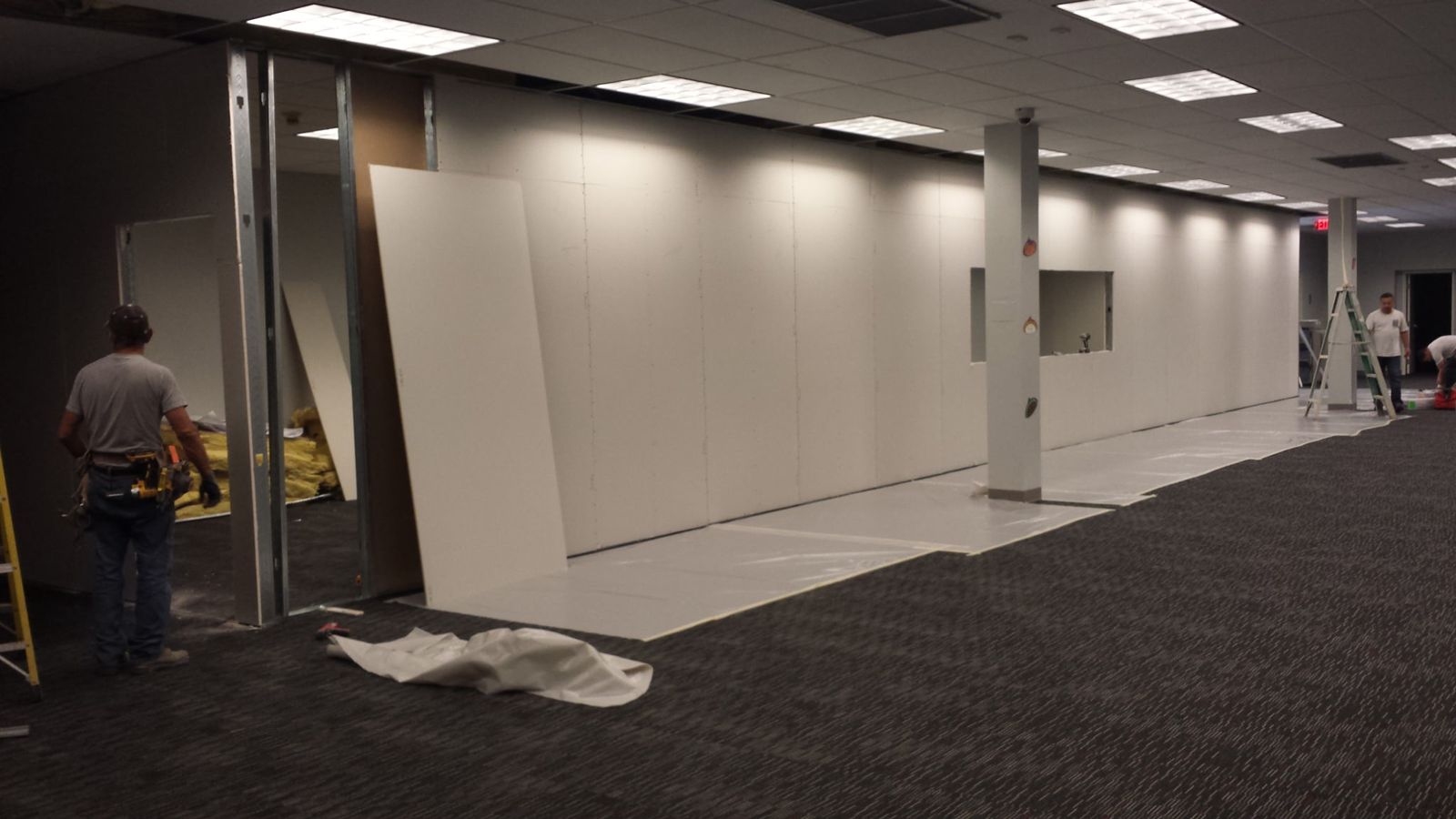
Demolition after a fire is selective. Burned drywall and ceilings come out. So does insulation soaked with smoke residue or firefighting water, and so do floor coverings that cannot be cleaned. Framing that survived stays, and the crew works around it. Utilities are shut off and checked first, dust containment goes up to protect rooms that were not hit, and debris is hauled away as the work proceeds.
3. Soot and odor: sealing, in general terms
Smoke does not stay in the room that burned. It moves through attics, wall cavities and ductwork, and it settles on framing. Restoration specialists remove residue and clean surfaces that can be cleaned. Whether the air handler and ducts need cleaning or replacement is a question for them and for your HVAC trade.
After that cleaning, the painting scope takes over. Exposed framing and subfloor that held smoke are usually coated with a sealing primer before insulation and drywall go up, and finished walls get a stain-blocking primer under the paint. Sealing only works over surfaces that were cleaned first. If a smell comes back after the walls are closed, the cause is almost always residue that was left behind. That is why the cleaning specialist's sign-off belongs in your file before the drywall is hung.
4. The rebuild sequence
- Dry-in: temporary or permanent roof repair and window openings closed.
- Structural repairs to framing, as the engineer specifies.
- Rough work by the electrical, plumbing and HVAC trades, followed by any required inspections.
- Insulation, coordinated so it is checked before it is covered.
- Drywall, tape, texture and sanding.
- Priming and painting.
- Flooring, then finish carpentry: baseboard, doors, trim, cabinets.
- Touch-up paint, cleaning and a walk-through list of remaining items.
The order matters because each step protects the next. Flooring goes in after paint so it is not splattered, and trim goes in after flooring so the joints are clean.
5. Roof repair
Fires open roofs from the inside, and firefighters open them deliberately to vent heat. Decking, rafters and underlayment get replaced where they are damaged, then the roof covering is repaired or renewed so the structure is watertight before interior work starts. A roof that leaks during the rebuild undoes everything underneath it.
6. Permits: the general rule, and why to confirm it
As a general rule, repairs that touch the structure or the electrical, plumbing or mechanical systems need a permit and inspections from the city, while like-for-like cosmetic replacement, such as swapping drywall or painting, often does not. The City of Dallas, for example, says on its storm-damage page that replacing structural members calls for a building permit and that damaged electrical work may need an electrical permit, while siding, sheetrock and window replacement typically do not need one. That page was written for storm repairs, and every city in DFW has its own office and thresholds. Confirm with your city before work starts. FMGC pulls the permits its scope requires, and your city has the final word on what that is. The power company can also require an inspection before it restores service.
What affects how long it takes
We will not quote a number of weeks without seeing the building. These are the things that move the schedule: how long the engineer's review and the city's permit review take, how soon your insurer and you agree on scope, how long specialists need for cleaning and testing, and lead times on materials like windows, cabinets and custom millwork.
Questions to ask any contractor before you sign
- Is the scope itemized, and does it say what is not included?
- Who pulls permits, and what inspections are expected?
- Which parts will be done by the contractor's own crews and which by other trades?
- How are changes priced, and are they approved in writing first?
- Can I see a certificate of insurance? (FMGC provides one on request.)
Common questions
- Does FMGC clean soot off furniture and belongings?
- No. Cleaning and packing out contents is a specialist trade. FMGC rebuilds the structure and coordinates its schedule with the cleaning crew.
- Can we keep living in the house during repairs?
- Usually not in the rooms being rebuilt, and often not in the house at all while demolition and smoke cleaning are under way. Ask your insurer what your policy provides for temporary housing.
- Who decides whether charred framing can stay?
- A qualified professional, typically a structural engineer, working with the city's building inspector. A contractor builds to their decision and does not make that call alone.
- Do I need a permit to repair fire damage?
- Structural, electrical, plumbing and mechanical repairs usually do. Cosmetic work such as paint often does not. Rules differ by city, so confirm with your city's permit office before work begins.